Educational activities and courses for kids
Educational activities outside school work best when they give a child a clear reason to participate: curiosity, a practical project, communication or a skill they want to strengthen. goKidz brings educational courses and learning activities together so parents can compare goals, teaching methods and weekly load without adding another school-like day.
Explore educational programs on goKidz
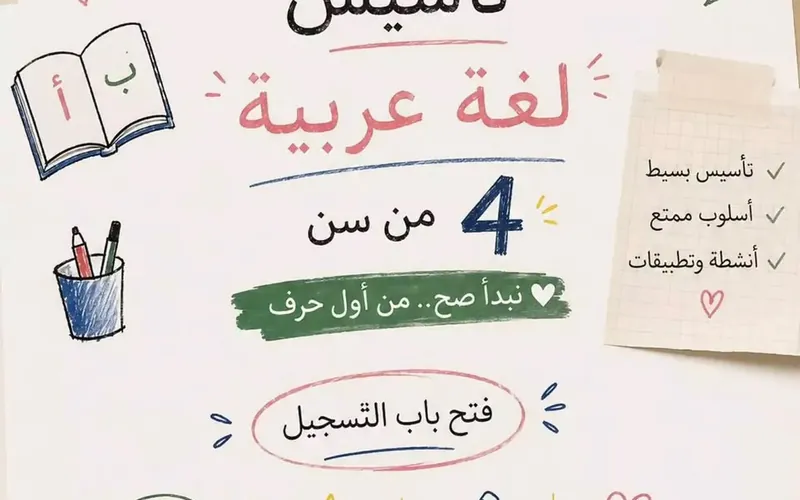
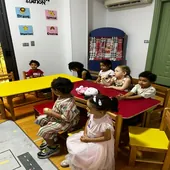
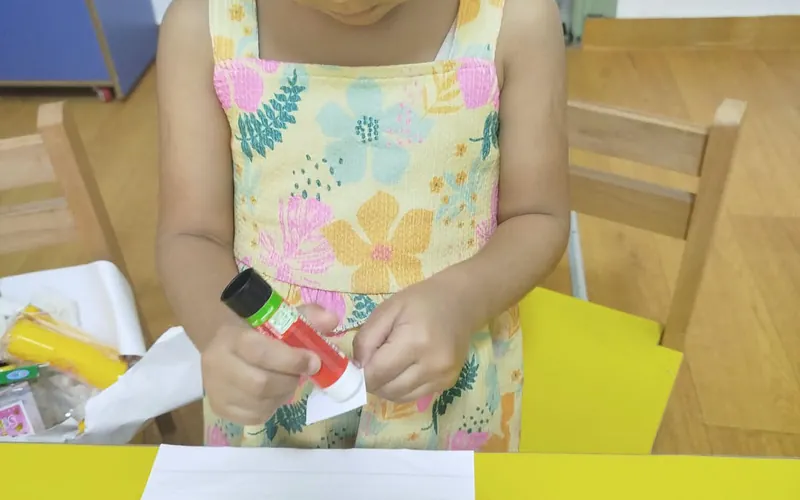
Ufuq Quran Academy
Arabic course
Starting from
EGP 2,025
Alaa Quran Kids
Alaa Quran Kids
Starting from
EGP 324
English Rangers
English Sessions
Starting from
EGP 192
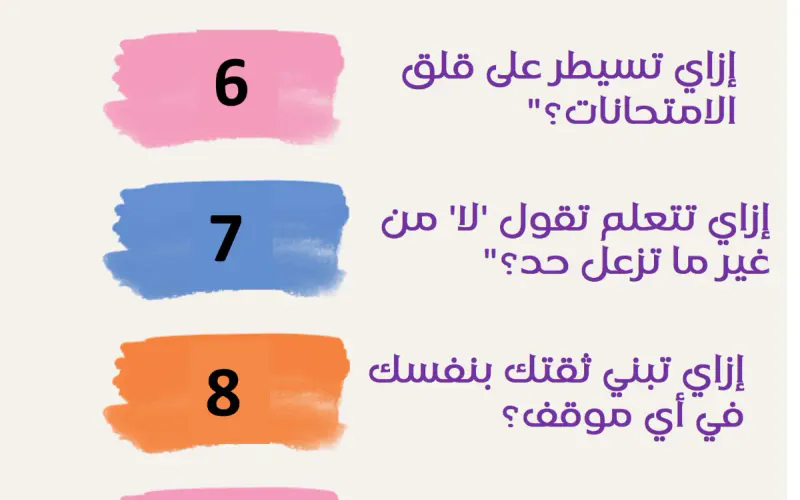

Teens but leaders
الثقة بالنفس
Starting from
EGP 1,985.5
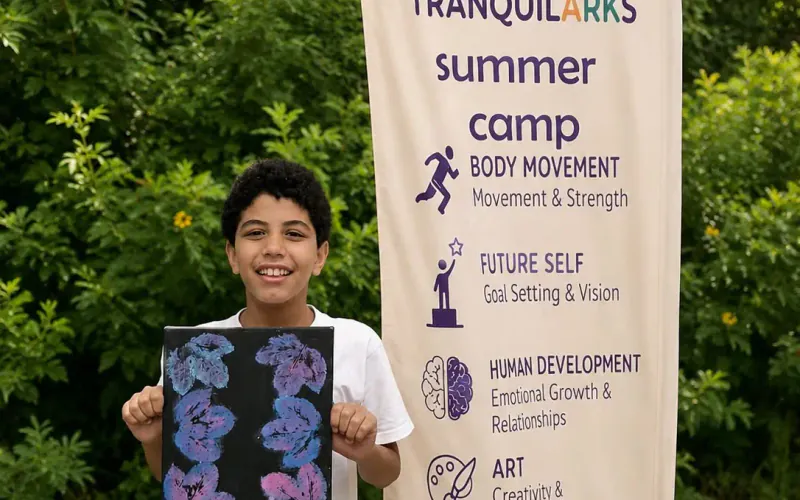

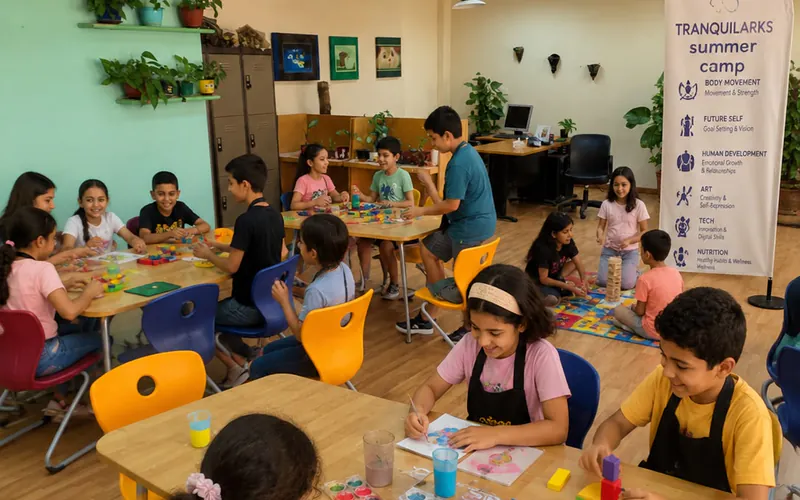
Tranquility for training and development
Summer Camp - Tranquilarks 2026
Starting from
EGP 2,890
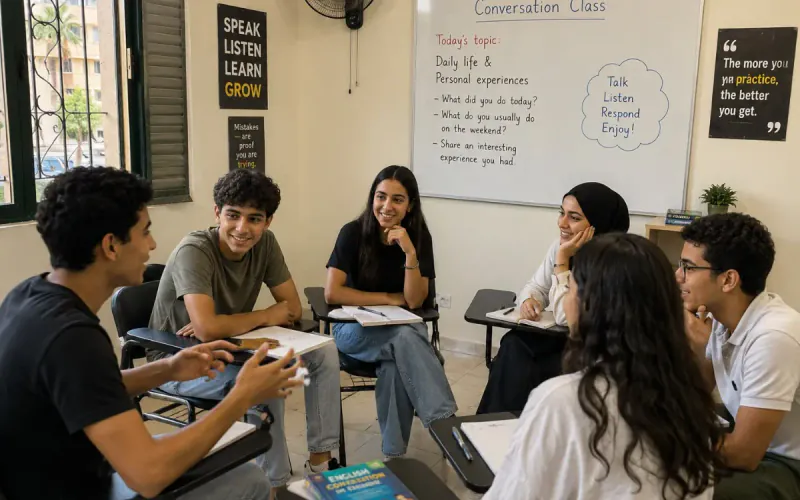
OTTAWA academy
Intensive English Course
Starting from
EGP 675
Define the learning goal in plain language
Ask what children should be able to understand, make or do after the program. A useful answer is specific enough to evaluate but does not promise unrealistic transformation. If the goal is academic support, ask how it connects with the child’s current level rather than relying only on age.
Understand the teaching method
Find out how much time is spent listening, discussing, practising and producing work. Project-based sessions may suit children who learn by doing, while some skills need repetition and direct explanation. Ask how the instructor checks understanding and adjusts when a child is ahead or needs more support.
Protect motivation and available energy
A child may enjoy learning and still be tired after school. Consider the timing, session length, homework and travel together. A shorter course with active participation can be more effective than a demanding schedule that feels like another school day. Ask whether missed sessions can be recovered.
Review progress without unnecessary pressure
Certificates and completed projects can be useful, but they are not the only evidence of progress. Ask whether parents receive feedback and what it covers. Look for increased confidence, clearer explanations, persistence and independent use of the skill, not just test scores or a polished final output.
Distinguish support from enrichment
Some children need help with a specific school skill; others want languages, reading, writing, mathematics or broader learning projects. Define the need before comparing programs. A course promising improvement should explain what children practise and how progress is observed without making guarantees.
Look for active learning
Useful educational activities may combine discussion, games, experiments, stories, writing or projects. Ask how much time children spend listening versus applying ideas, how mistakes are handled and whether homework is required. Engagement should serve learning rather than simply keep children busy.
Avoid overloading the school week
Extra learning is most useful when the child still has time to rest and consolidate. Check whether the goal could be met with one focused course rather than several overlapping commitments. Share relevant learning needs with the provider while protecting the child from unnecessary labels.
Find learning programs on goKidz
Explore current educational courses on goKidz and compare the learning goal, teaching method and weekly load. Choose a format that supports curiosity without turning the week into extra school.
Frequently asked questions
How is an educational activity different from tutoring?
Tutoring usually targets specific school content or gaps. Educational activities may develop broader knowledge, communication, projects or thinking skills. Confirm the stated goal before booking.
Should an educational course include homework?
Only when it serves the goal and fits the child’s routine. Ask how much is expected and whether practice can be completed during sessions instead.
What counts as an educational activity?
It may develop languages, literacy, mathematics, study skills, communication, science or problem solving through structured teaching and practice.
How is enrichment different from tutoring?
Tutoring often targets a defined school gap; enrichment usually extends curiosity or skills beyond a syllabus. Ask the provider which outcome the program is designed for.
How do I choose a language course for my child?
Confirm the starting level, teaching language, speaking practice, group size, materials and how the provider places children into groups.
Should an educational program give homework?
Homework may help some goals but is not automatically a sign of quality. Ask how much is expected and whether it fits the child’s school workload.
How can I tell whether my child is progressing?
Look for clearer skills, growing independence and specific instructor feedback. Ask how progress is shared rather than relying only on certificates.
Can learning activities be screen-free?
Yes. Reading, writing, experiments, discussion, building and games can all support learning without extended screen use. Check the actual session format.
Can I find educational courses for kids on goKidz?
Yes. goKidz lists educational activities and courses so you can compare the stated goal, age fit, schedule and teaching method before you commit.